Project Controls · 12 min read
How to Become a Project Controls Engineer — A 5-Year Roadmap
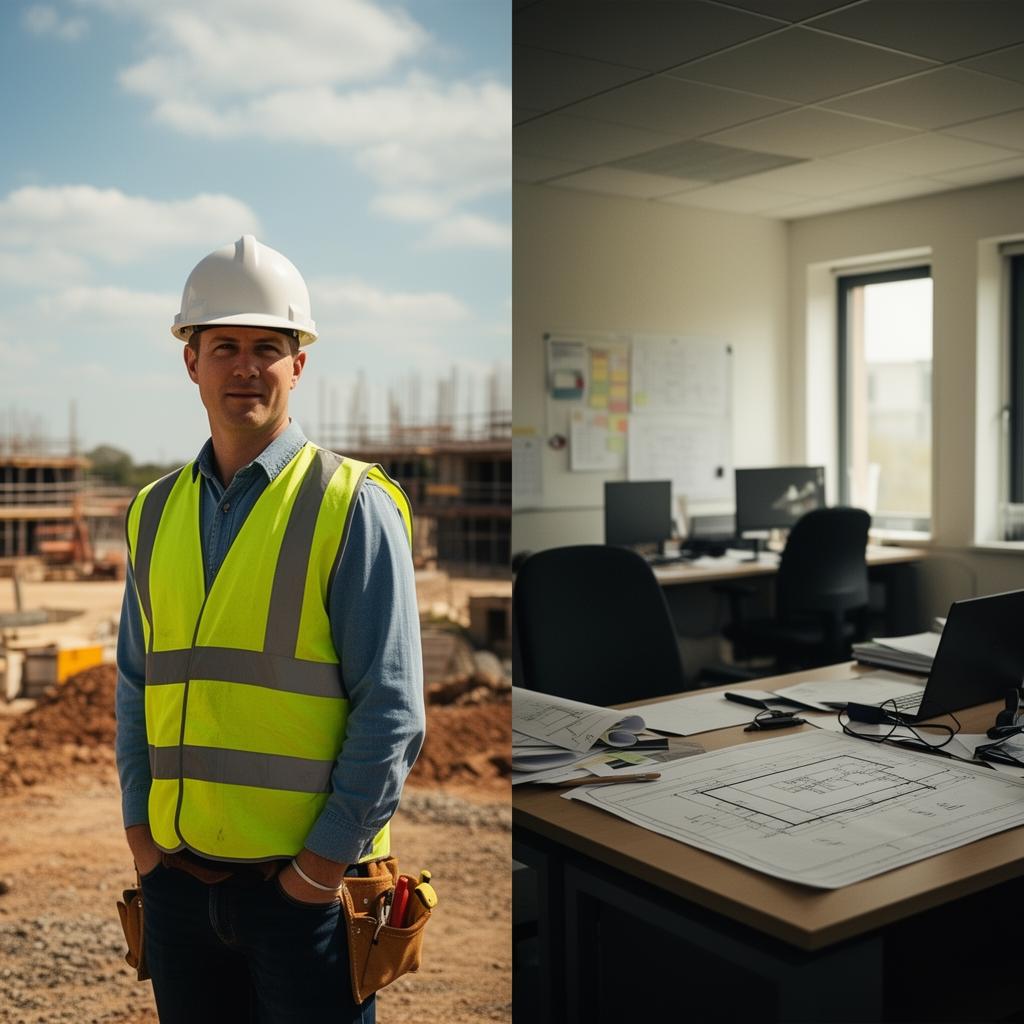
A realistic, year-by-year plan from graduate or site engineer to a credible multi-discipline Project Controls Engineer — written from the rebar up.
A year-by-year roadmap covering schedule first, then cost and earned value, then risk and forensic delay analysis — with the timing of PMI-SP or AACE PSP, the typical salary trajectory, and the five mistakes that derail otherwise capable engineers.
Key Takeaways
- ·Project controls is a craft, not a software skill. P6 is the hammer; the job is knowing what to build.
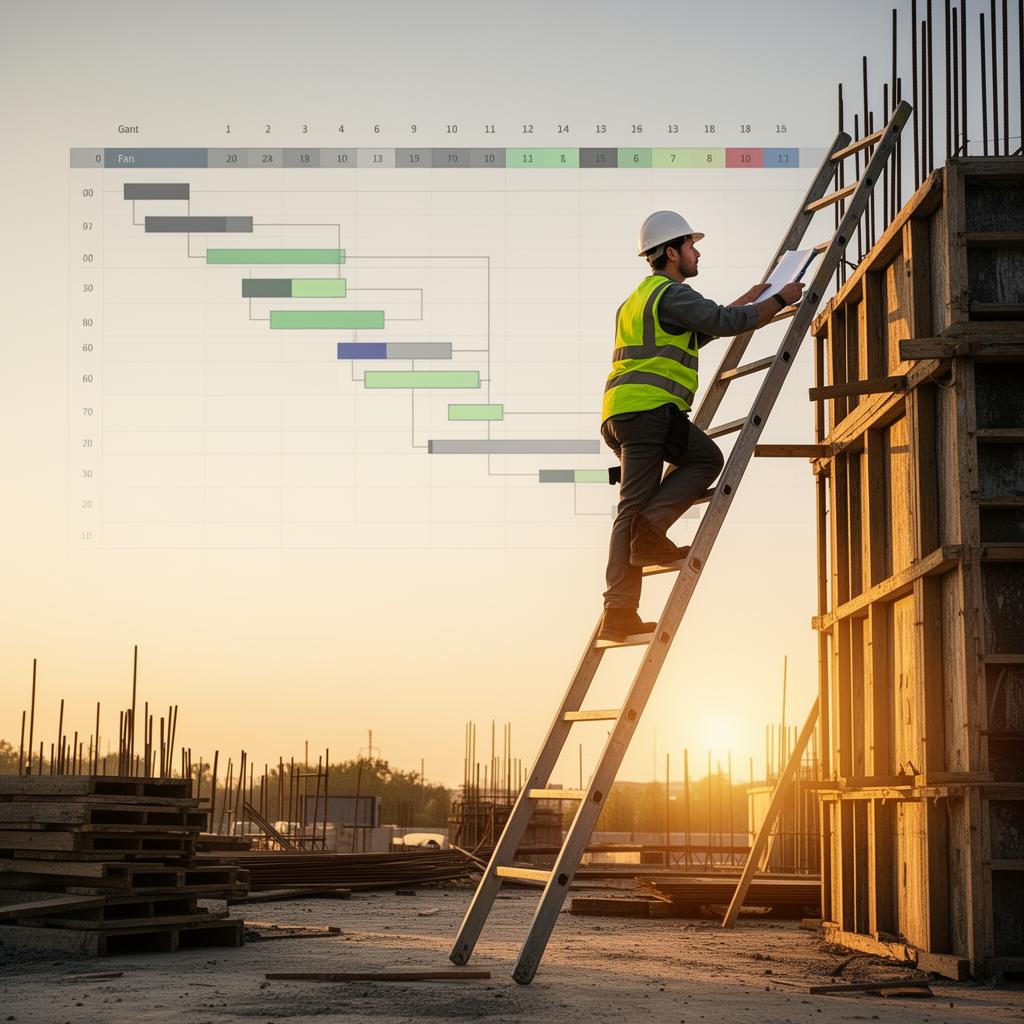
- ·The order matters: schedule first, then cost and earned value, then risk and forensic delay analysis.
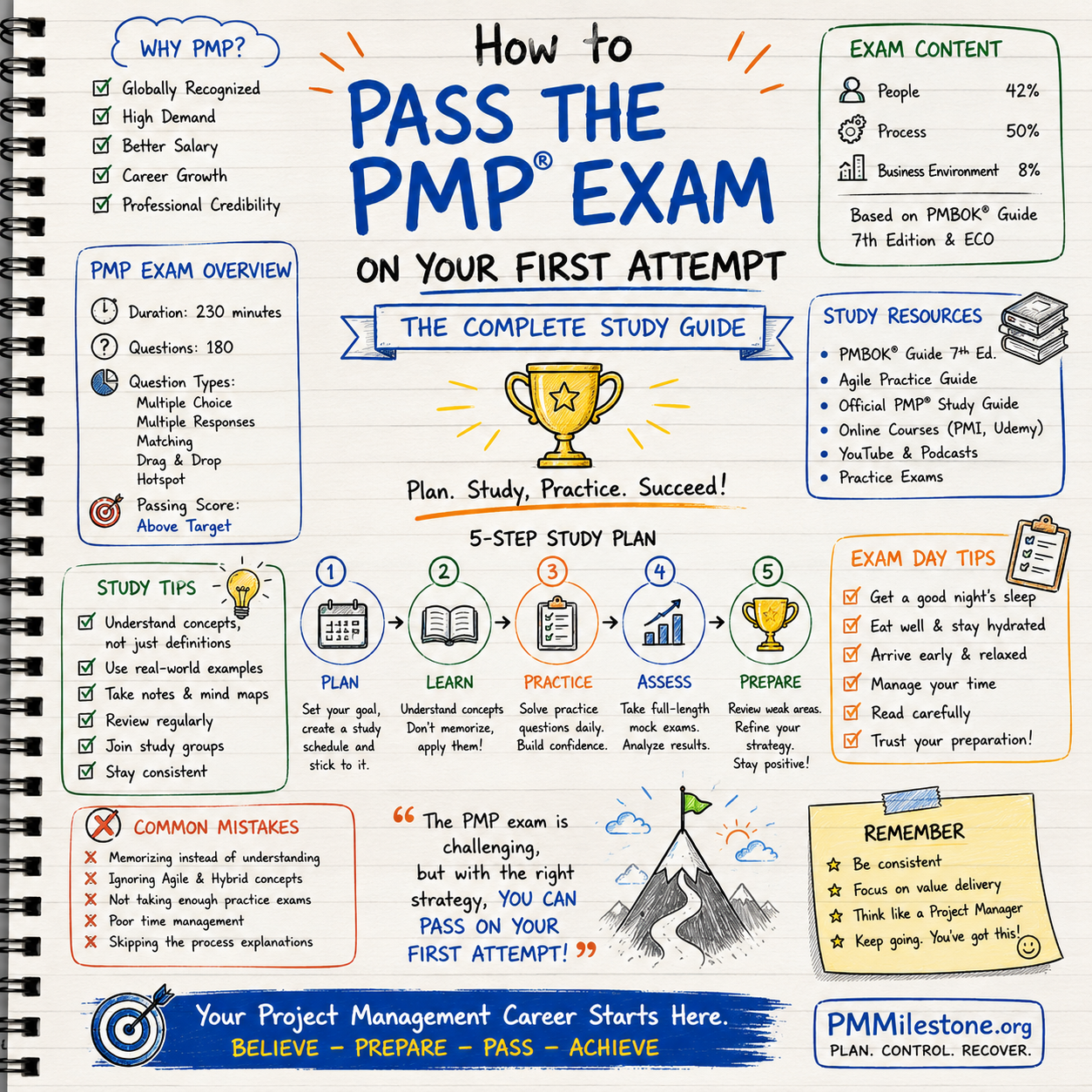
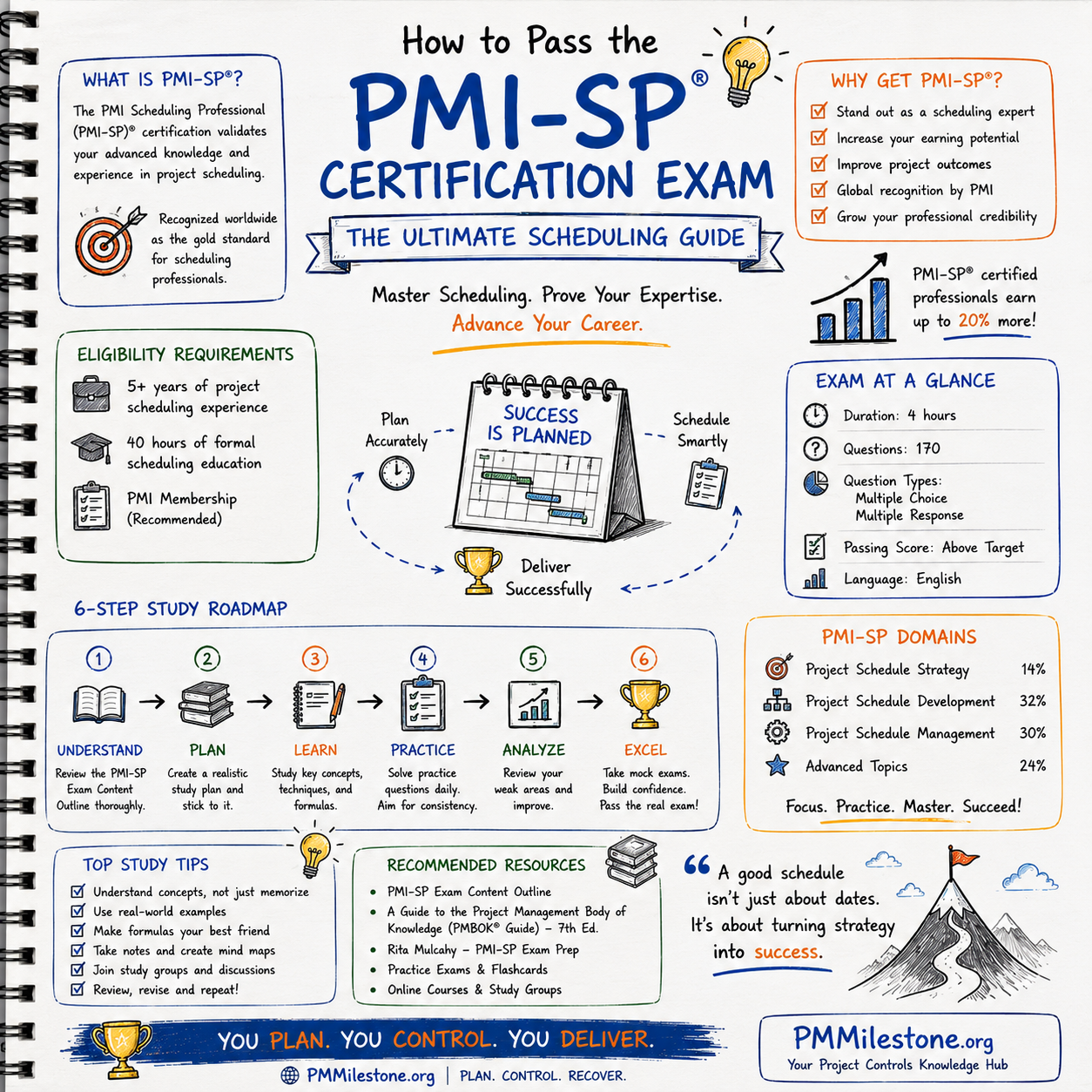
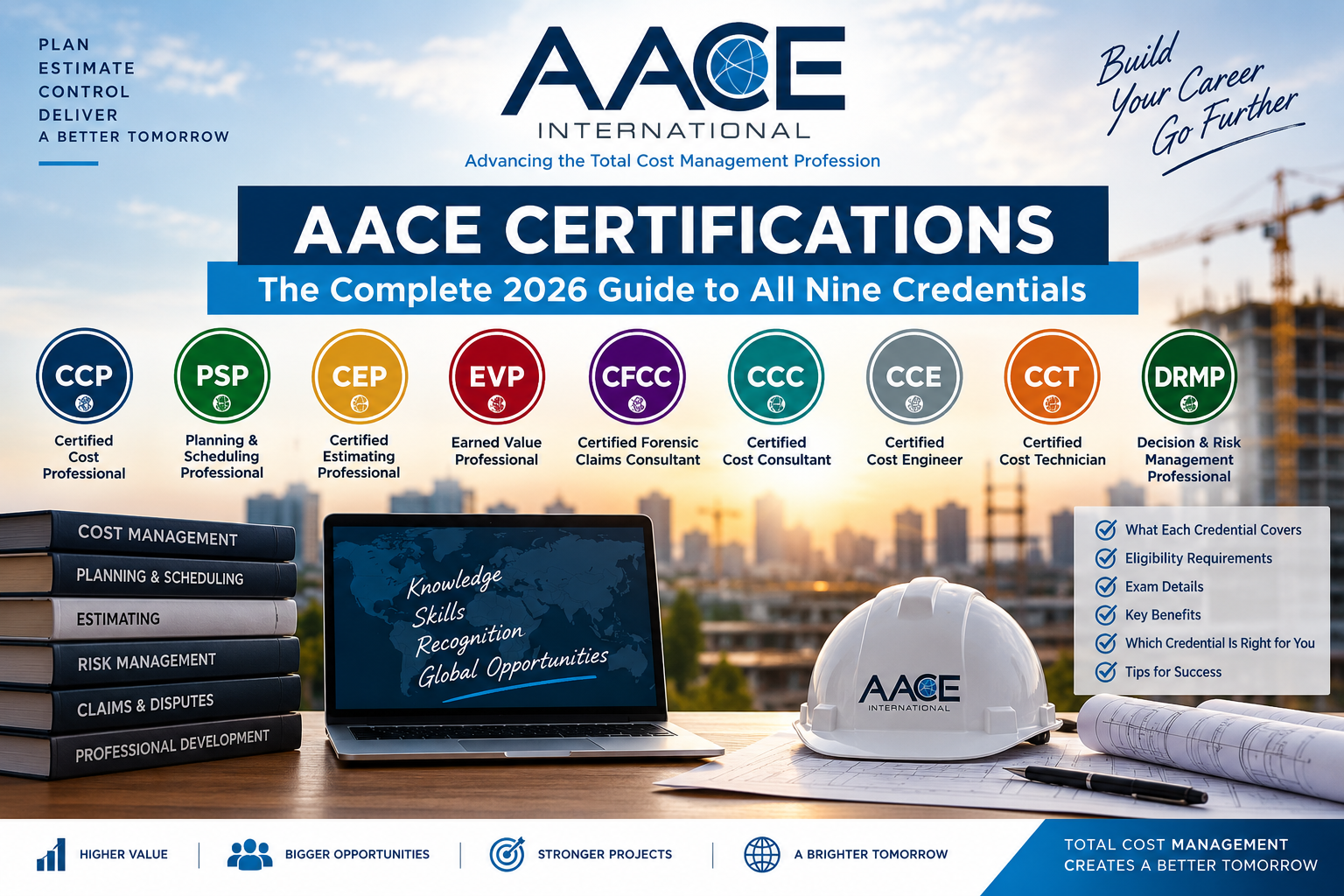
- ·One certification by Year 2–3 (PMI-SP or AACE PSP) signals you are serious — but evidence of real schedules beats any certificate.